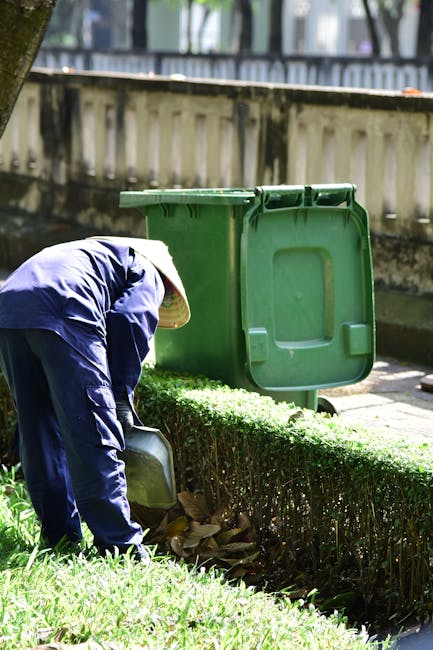
Garden waste clearance Rookfield Estate Tufnell Park
Posted on 03/09/2026
Garden waste clearance Rookfield Estate Tufnell Park: a practical guide for busy homes, shared gardens and tidy outdoor spaces
If your garden has reached that awkward stage where clippings, branches, soil bags and old plant pots are quietly taking over the corner by the fence, you are not alone. Garden waste clearance Rookfield Estate Tufnell Park is one of those jobs that looks simple from the outside, then somehow becomes a whole weekend once you start lifting bags. This guide walks you through what the service involves, when it makes sense, what to check before booking, and how to avoid the common mistakes that make garden clear-outs more expensive and more stressful than they need to be.
Whether you are dealing with a post-pruning pile, a full seasonal tidy-up, or the aftermath of a bigger outdoor refresh, the aim is the same: get the garden usable again without the mess hanging around for days. And if you also want to understand how the wider waste service fits together, it can help to look at the full services overview and the dedicated garden waste removal service in Tufnell Park while you plan things out.
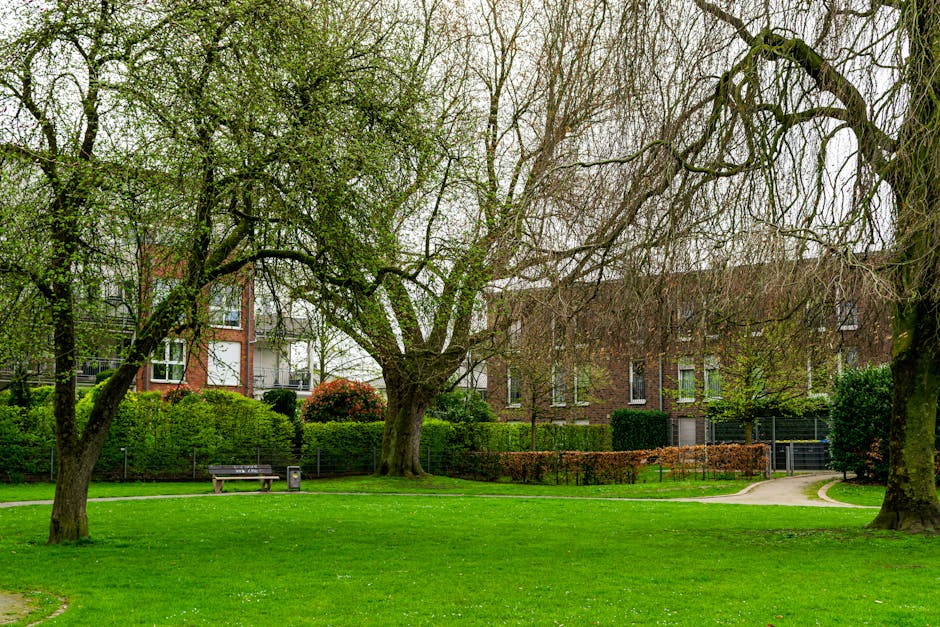
Why Garden waste clearance Rookfield Estate Tufnell Park Matters
Garden waste is one of those things that creeps up on you. A few hedge trimmings here, a sack of turf there, and before long the shed side is stacked with bags, cuttings and bits of broken trellis. On a close-knit estate or shared residential setting like Rookfield Estate, that build-up matters more than people often think.
First, there is the simple visual side. A clean garden feels calmer, easier to use and more inviting. That sounds obvious, but it makes a real difference when you step outside with a coffee on a Saturday morning and are not greeted by a heap of damp leaves. Then there is access. Piles of waste can block paths, make mowing awkward, and create a nuisance for neighbours if left too long.
There is also the practical risk side. Wet green waste gets heavy fast. Branches snag. Bags split. Compost piles that are not managed properly can smell, attract pests, and create a slippery mess underfoot. Truth be told, it is often the boring little details that cause the biggest headache.
For people managing a communal or rental property, garden waste clearance is also about keeping standards consistent. One untidy area can make the whole exterior look neglected, even if the rest of the place is in decent order. That is why regular collection or one-off clearance is not just about appearances; it supports safe access, tidiness and a more manageable routine overall.
If you are comparing garden work with other household clearances, it may help to see how outdoor waste fits alongside broader waste clearance in Tufnell Park or even general rubbish collection in Tufnell Park when the job spills beyond just leaves and branches.
How Garden waste clearance Rookfield Estate Tufnell Park Works
At its core, the process is straightforward. The team arrives, reviews the material to be removed, agrees the load and access details, then clears the waste for transport and treatment. The tricky part is not the lifting; it is making sure the waste is sorted sensibly, the timing works around your day, and the access on the estate is practical.
Most garden clearances involve a mix of materials. Typical examples include grass cuttings, hedge trimmings, branches, weeds, leaves, soil, bark, old turf, broken pots, fence offcuts, plant supports and general outdoor debris. Some jobs are light and leafy. Others are heavy, awkward, and a bit muddy. No two are quite the same, which is why a clear description upfront saves time later.
In many cases, the process is easier when you group materials by type. For example, green waste in one area, heavier mixed garden debris in another, and anything bulky or non-organic separate from the rest. That is not essential every time, but it helps. It also makes the job faster, which most people appreciate when the weather has turned and the garden is smelling faintly of rain and cut stems.
Where a job overlaps with other clearance needs, the service may need to be broader. A garden project can uncover unwanted outdoor furniture, a damaged shed shelf, old tools, or leftover items from a loft or house tidy. In those cases, it can be sensible to combine it with related services such as furniture removal in Tufnell Park, furniture disposal in Tufnell Park, or even house clearance in Tufnell Park if the outdoor work is part of a larger property reset.
Key Benefits and Practical Advantages
The most obvious benefit is time saved. Garden waste is bulky, often dirty, and rarely fun to shift. A proper clearance means you do not have to cut everything down to the size of a car boot or wait for multiple council collection slots if your pile is larger than expected.
Another major advantage is consistency. A professional collection gives you a clearer end point. The mess is removed in one go, rather than lingering for weeks while you find room in the wheelie bin. That matters in London, where space is already tight and the simplest tasks can become a juggling act.
There is also the benefit of sorting and disposal discipline. Good waste handling is not just about getting material off-site; it is about making sure recyclable green waste is dealt with appropriately and any non-green items are separated. That is especially relevant if you care about reducing what goes to landfill, or if you simply prefer not to mix everything into one unsightly pile and hope for the best.
Here is a simple way to think about it:
- Cleaner access: paths, entrances and shared areas stay usable.
- Less stress: no repeated trips to dispose of sacks and branches.
- Better presentation: front gardens and rear spaces look cared for.
- Safer handling: heavy or sharp waste is removed properly.
- More usable space: you reclaim the patio, lawn or border area.
And there is a small but real psychological win here too. Once the waste is gone, the garden often feels bigger. You notice the layout again. The light falls differently. It sounds a bit dramatic, but it is true. A cleared space tends to invite action, whether that means replanting, repairing or simply sitting down and enjoying it.
Who This Is For and When It Makes Sense
This service suits a wide range of people. You do not need a massive garden to make it worthwhile, and you certainly do not need to be in the middle of a full landscaping project. Sometimes a few overgrown beds and a weekend pruning session are enough to justify calling in help.
Garden waste clearance makes particular sense if you are:
- doing a seasonal garden tidy-up after spring growth or autumn leaf fall
- cutting back hedges, shrubs or climbers that generate a lot of cuttings
- clearing a neglected garden before letting it out or selling a property
- managing a shared outdoor area on an estate or in a managed block
- dealing with waste from planting, turf lifting or border redesign
- combining gardening with other clearance work and want one joined-up visit
It also makes sense when your own storage is full. A lot of garden waste clearance jobs are really storage problems in disguise. There is nowhere to keep the bags, nowhere to stage the branches, and no appetite for a second round of heavy lifting. Fair enough.
If you are already planning wider clearance work, a garden tidy-up can be grouped with waste disposal in Tufnell Park or rubbish collection in Tufnell Park so the outdoor and household waste do not become separate projects competing for your time.
Step-by-Step Guidance
Here is a practical way to approach the job so it stays manageable.
- Walk the space first. Look at what is actually there. It helps to separate green waste from mixed waste before anyone starts lifting.
- Check access. Think about gates, stairs, narrow passages, parking and any shared areas that need to stay clear.
- Estimate the load. A few bags is one thing; a full hedge cut and branch pile is another. Try not to guess too loosely.
- Remove obvious contaminants. Bags full of soil, plastic plant ties, broken ceramics or old metal fixtures may need different handling.
- Group the material. Stack bags together and keep branches in a tidy line. It saves time and reduces awkward carrying.
- Book the collection. Choose a time that suits the property and the neighbours. Early morning can work well, though not everyone enjoys that little rumble of a truck before tea.
- Let the crew clear and load. Stay available for quick questions. Once the team starts, the process is usually faster than people expect.
- Do a final sweep. Check corners, under shrubs and around borders. The stray bag usually hides where you least want it.
A small tip from real-world experience: if you are unsure whether something counts as garden waste, put it aside. One mixed bag can slow everything down. Better to separate once than untangle the lot later.
Expert Tips for Better Results
Good clearance work is often about preparation, not force. A few small decisions can make the whole visit cleaner, quicker and less expensive.
- Keep green waste dry where possible. Wet cuttings are heavier and messier. If you can store bags under cover for a short time, that helps.
- Cut long branches down. Not to tiny pieces, just to a size that is easier to carry through doors, gates and shared walkways.
- Avoid overfilling sacks. It is tempting, but split bags are a nuisance for everyone.
- Separate soil from greenery. Soil is heavy and often changes the load profile more than people realise.
- Clear access before the team arrives. Move bins, bikes, planters and anything else that might slow the route.
- Think ahead about what comes next. If you are replanting or redesigning the border, clear the waste in the order that supports the next job, not the other way around.
One practical habit worth adopting is to keep a small "garden waste staging spot" during the growing season. It does not need to be fancy. Just somewhere tidy where cuttings, prunings and broken stems can wait without taking over the patio. That one habit can save a surprising amount of clutter.
If your work is likely to expand beyond garden debris, it may be worth looking at related collection options such as builders waste disposal in Tufnell Park for landscaping rubble or white goods and appliance disposal in Tufnell Park if a garden refit has become a broader property refresh. That happens more often than people think.
Common Mistakes to Avoid
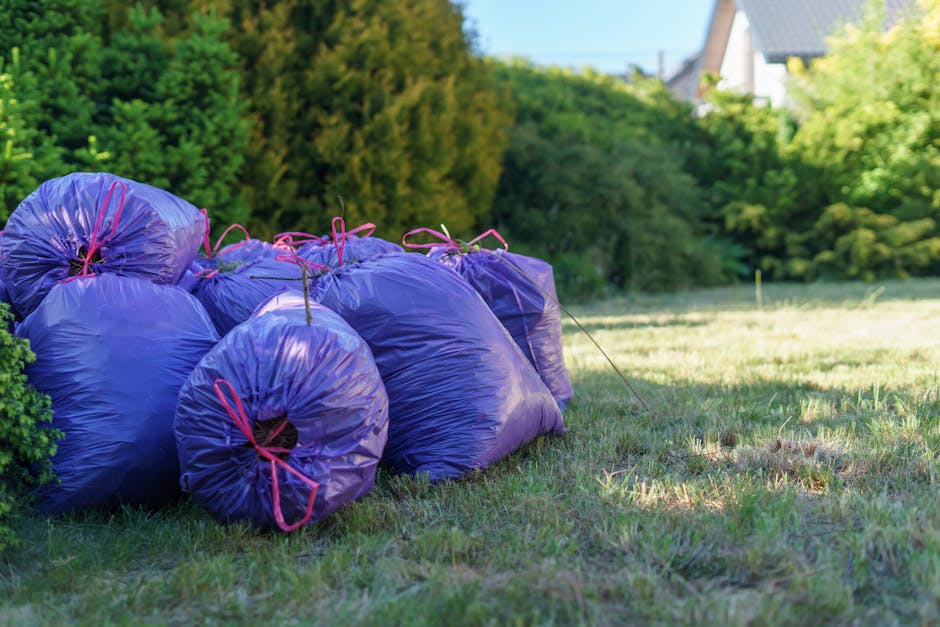
A lot of garden clearance problems are preventable. The biggest mistake is mixing too many waste types together and then trying to sort them at the last minute. It seems efficient at first, but it usually creates confusion, extra handling and delays.
Another common issue is underestimating volume. A pile of hedge trimmings can look modest until it is cut down and bagged. Branches, especially, have a way of expanding once you start moving them. They look innocent. Then you begin lifting them and, well, not so innocent anymore.
People also forget about access. Narrow estate routes, parked cars, low branches and shared entrances can all slow a clearance down. If the route from garden to vehicle is awkward, mention it early. There is nothing glamorous about carrying wet cuttings around a corner three extra times because nobody mentioned the side gate.
Here are mistakes that are worth avoiding:
- leaving garden waste to get soggy for days before arranging collection
- mixing green waste with general household rubbish
- not checking whether soil, rubble or timber needs separate handling
- blocking access routes with bags or wheelbarrows
- assuming all outdoor waste can be handled the same way
- forgetting that communal areas need to stay clear for neighbours
And one more thing: do not leave thorny branches or sharp offcuts sitting loose at ankle height. That is exactly the kind of small hazard that turns a simple tidy into a bruised shin and a bad mood.
Tools, Resources and Recommendations
You do not need a full shed of specialist gear to get organised, but a few practical tools help a lot. Heavy-duty garden sacks, gloves with a decent grip, a rake, loppers, and a sturdy wheelbarrow are usually the basics. If there is a lot of fine material like grass cuttings or leaves, a tarpaulin can also make moving waste easier without dragging half the border along with it.
For planning, it helps to think in three buckets:
- Green waste: leaves, clippings, plants, weeds and small branches.
- Heavy waste: soil, turf, roots and damp compacted material.
- Mixed outdoor waste: pots, broken planters, old canes, timber and other non-plant items.
If you are deciding whether to clear the garden yourself or book a service, ask three questions: How much is there? How heavy is it? And how many trips will it take to dispose of it properly? That usually answers the issue faster than anything else.
For property owners trying to align outdoor clearing with a wider tidy-up, it can be useful to look at loft clearance in Tufnell Park or office clearance in Tufnell Park if the garden project is part of a larger declutter. It is oddly satisfying to clear one area and then realise the rest of the place needs the same treatment. Slightly exhausting, yes, but satisfying.
Law, Compliance, Standards, or Best Practice
When dealing with garden waste, the main compliance issue is making sure waste is handled by a responsible carrier and transferred through appropriate channels. In the UK, that means using a business that can demonstrate proper waste handling and follows sensible segregation and disposal practices. You do not need to become an expert in the regulations yourself, but you should feel comfortable asking how the waste will be taken away and processed.
Best practice usually includes:
- keeping green waste separate where practical
- avoiding contamination with household rubbish or hazardous items
- using safe manual handling techniques for heavy sacks and branches
- ensuring access routes are clear and the work area is reasonably safe
- checking that the service provider is properly set up for waste transport
That last point matters. A clear, transparent approach to compliance is a good sign. If you want to understand how a provider positions that side of the work, the pages on waste carrier licence and compliance and insurance and safety are useful starting points.
It is also worth thinking about sustainability in a plain, practical way. Green waste is not just "stuff to get rid of". Much of it can be recovered or treated more appropriately than mixed rubbish. If you care about that side of things, the page on recycling and sustainability gives a better sense of the wider approach.
And yes, if you are unsure whether a particular item belongs in garden waste or mixed waste, ask before loading it. Better that than a confused pile at the kerbside at the end of the day.
Options, Methods, or Comparison Table
There are usually a few ways to handle garden waste. The right one depends on volume, time, access and how soon you need the garden back in use.
| Method | Best for | Pros | Limitations |
|---|---|---|---|
| DIY binning or tip runs | Very small amounts | Low cash cost, full control | Time-consuming, physically demanding, multiple trips |
| Bag-and-wait collection | Light tidy-ups over time | Simple to organise, little upfront work | Space needed for storage, can become messy if delayed |
| Professional garden waste clearance | Medium to large clear-outs, urgent jobs, awkward access | Fast removal, less lifting, efficient for mixed outdoor waste | Cost depends on load size and complexity |
| Combined clearance visit | Garden waste plus other household or bulky items | One visit handles more than one problem | Needs clearer planning and item breakdown |
For many Rookfield Estate households, the sweet spot is usually a combined visit when the garden work has generated a bit of everything. If you are removing a broken bench, an old outdoor table, or a few unwanted bits from the shed, a broader clearance can make more sense than trying to split the job into separate lifts.
That is where related services such as furniture collection and furniture disposal can come into the picture, especially if the garden has become a holding area for items that were meant to be moved months ago. Happens all the time.
Case Study or Real-World Example
Here is a realistic example. A resident on Rookfield Estate has spent a weekend cutting back a large hedge, pulling weeds from the borders and lifting a patch of tired old turf. By Sunday evening, the patio is covered with tied sacks, cut branches and two damp piles that keep spreading every time someone walks past. Nothing dramatic, just enough to feel like the garden has beaten them for the week.
Rather than forcing multiple car journeys, they sort the waste into three groups: green cuttings, heavy turf and root material, and a small mixed pile of old canes and broken pots. The access route is checked, a side path is cleared, and the collection is arranged for a morning slot. The waste is removed in one visit, and by lunchtime the garden is usable again.
The interesting part is not just that the waste disappears. It is what happens after. Once the clutter is gone, the owner notices a bit of broken edging that had been hidden, plus a plant bed that now has room to breathe. A small job leads to a better layout. Nothing magical, just a tidy result that creates momentum.
If the same property had also been dealing with indoor clutter, the job could have been expanded into a wider waste clearance or, for larger household work, a house clearance. That kind of joined-up thinking is often what saves the most time.
Practical Checklist
Use this quick checklist before booking or starting the clearance:
- Walk the garden and list the waste types.
- Separate green waste from mixed outdoor items.
- Keep soil, turf and rubble-style material identified clearly.
- Check gates, drive access and any shared estate pathways.
- Move bikes, bins, tools and planters out of the way.
- Bag smaller waste securely so it does not spill.
- Trim longer branches if it helps with safe handling.
- Ask about the likely load size before the visit.
- Confirm whether anything needs separate disposal.
- Do a final sweep of borders, corners and behind sheds.
If you want a broader look at how the whole service sits together, it can be useful to review the main about us page and the practical details on pricing and quotes. That way you are not guessing your way through the booking.
Get a free quote today and see how much you can save.
Conclusion
Garden waste clearance Rookfield Estate Tufnell Park is really about getting your outdoor space back to a point where it feels usable, safe and calm again. The job can be small, seasonal or part of a bigger property project, but the value is usually the same: less clutter, less lifting, and a garden that works properly for the people who live there.
Done well, garden clearance is not a chaotic one-off scramble. It is a tidy, practical reset. You sort the waste, clear the access, remove the mess and leave yourself with a better starting point for whatever comes next. A new border, a repaired fence, a proper seating area. Or just a garden that does not make you sigh every time you open the back door.
If you are ready to move from "I should deal with that" to "that's finally gone", you are already halfway there. And honestly, that first clean view of the garden after clearance? It still feels good every time.